Stronger visibility, trust & lead quality · Senior-led since 2009 · 13,277+ campaigns delivered · U.S.-based senior team

Skip to main content
Matt LaClear

Headshot of Matt LaClearBuilt with Matt LaClear

Lansing web design for service businesses that need a clearer path to booked calls

Senior-led websites for service businesses that have outgrown a generic online presence and need something faster, more credible, and easier for buyers to trust. Fixed scopes, no lock-in ownership games, and launch protections that cover timing, support, and performance. Review guarantee terms or compare them in plain English with what each guarantee covers.

Quick answer

This page helps service-business owners decide whether their current website is a trust and conversion bottleneck, which build tier fits that problem, and what to review before approving a redesign budget.

Use it to compare project fit, scope, pricing, proof, and launch protections. If the real issue is still traffic rather than site credibility, compare this page with SEO + GEO and the service comparison guide before booking.

Decision blockers

Most buyers do not delay redesign because they hate websites. They delay because one trust, fit, proof, or scope question is still unresolved.

Use this section when the redesign sounds directionally right, but you still need one more layer of clarity before a budget or build decision feels justified.

Fit blocker

The real question is “is the site actually the bottleneck?”

If the hesitation is really about whether traffic or trust is the bigger problem, compare this page with SEO + GEO and the service comparison guide before treating redesign as the automatic first move.


Proof blocker

The real question is “where is the evidence that the finished work will hold up?”

Review the portfolio and case studies if you need visible before-and-after proof before you trust the service-page framing.

Risk blocker

The real question is “what protections exist if the build drifts?”

Open the guarantee terms and guarantee comparison guide if timing, support, performance, or launch accountability is the real buying issue.

Scope blocker

The real question is “what tier or project shape should we actually be considering?”

Move to the consultation page if the next useful step is translating your current site, budget, and buyer journey into a practical scope instead of reading more general redesign guidance.

Launch protections Timing, Core Web Vitals, and support terms are documented before kickoff. This service already publishes the on-time launch guarantee, launch performance standard, and post-launch support windows so buyers can evaluate risk up front.
Ownership clarity You keep the domain, code, images, and final site assets. No platform lock-in, no vague handoff language, and no dependency games hidden behind a polished sales deck.
Proof before proposal Portfolio, case studies, and guarantee terms are visible before the call. Review the portfolio, compare the case studies, or inspect the guarantee terms before deciding.
shop.lansingchiropracticclinic.com
Custom Shopify supplement shop — desktop view showing a trust-focused e-commerce layout for a Lansing healthcare brand
Supplement shop website — mobile view with product-first Shopify UX

Senior-Led Strategy + Build

17 Years • Lansing-Rooted

You Own the Code + Assets

On-Time + Core Web Vitals Launch Protections

Portfolio, Case Studies + Support Terms Up Front

Start here

What should a serious buyer know before comparing web design pricing?

The fastest route to a good decision is figuring out whether you need a cleaner launch, a stronger sales asset, or a different service first.

Start with web design when the site is the credibility bottleneck

If the business is solid but the site feels dated, thin, confusing, or slower than buyer expectations, redesign is usually the highest-leverage first move.

Choose Growth Engine when the real problem is trust + conversion, not just aesthetics

That is the right path when the site needs better messaging, stronger proof placement, cleaner calls to action, and a more deliberate sales flow.

Start with SEO first when the site is already credible enough

If the current website already converts and simply needs more qualified visibility, SEO + GEO may be the smarter first step than rebuilding something that is not actually broken.

Fit

Is this the right fit for your business?

A clear scoping conversation starts with honest alignment. This service works best for a specific kind of buyer — and being upfront about that saves everyone time.

Best fit if…

  • Your current site undersells the business or feels less credible than your actual reputation
  • You need a clearer path from visitor to inquiry — not just a prettier layout
  • You want someone senior making positioning and structure decisions, not just pixel tweaks
  • You value fixed pricing, defined scope, and ownership of every asset after launch
  • You are a service business in Lansing or the greater Michigan area — or serve clients nationwide

Probably not the right fit if…

  • You need the cheapest option possible and scope clarity is not a priority
  • You want unlimited revisions with no defined feedback windows or project structure
  • The goal is purely cosmetic — "make it look nicer" without rethinking the message or conversion path
  • You need a large SaaS platform, marketplace, or custom web application — this is service-business web design

Best next review: if the fit looks right, move into the pricing tiers; if not, compare this against SEO + GEO or use the service comparison guide before booking.

Industries

Web design shaped around how your industry earns trust

Every vertical has different buyer expectations, compliance considerations, and credibility signals. The site structure should reflect how your specific market evaluates a business online.

Contractors & Trades

Buyers are comparing 3–5 shops fast. The site needs to prove legitimacy, show service areas, and make calling easy — not impress with visual flair.

Discuss your project →

Healthcare & Dental

Patients need reassurance, not sales pressure. The site should feel calm, credible, and make booking or directions effortless.

Discuss your project →

Legal & Financial

Trust is the transaction. The site must communicate competence, discretion, and specialization before a prospect picks up the phone.

Discuss your project →

Home Services

Speed to contact matters more than aesthetics. Mobile-first layout, click-to-call, and fast loading on spotty connections make the difference.

Discuss your project →

Professional Services

Consultants, accountants, and advisors need a site that positions expertise and builds confidence before a longer decision cycle.

Discuss your project →

Restaurants & Hospitality

Menus, hours, location, and reservation flow need to be obvious within seconds. Everything else is secondary friction.

Discuss your project →

Real Estate

Agents compete on personal brand and local knowledge. The site should highlight market expertise and make lead capture feel natural.

Discuss your project →

Ecommerce & Retail

Product trust, checkout clarity, and mobile buying experience drive revenue. Brand storytelling supports the sale but should never block it.

Discuss your project →

Common Follow-Up Questions

What buyers usually want clarified before they move forward

What does this page help me decide?

It helps you decide whether the business needs a cleaner, more credible sales asset now, which project tier fits that need, and whether a redesign should come before more traffic investment.

What should I bring to the consultation?

Bring the current site, the pages that feel weakest, examples you like, and any timing or platform constraints. That makes the call about practical scoping instead of vague wish lists.

Why it matters

The business cost of a weak web presence

These are not opinions — they are published findings from Google, Stanford, and industry research that explain why a clearer, faster, more credible site changes outcomes.

94%

of first impressions are design-related. Visitors judge credibility before reading a single word.

Stanford Web Credibility Research

53%

of mobile visitors leave a page that takes more than 3 seconds to load.

Google / Think with Google

88%

of online consumers are less likely to return to a site after a bad user experience.

Gomez / Akamai Research

75%

of users admit to judging a company's credibility based on its website design.

Stanford Persuasive Technology Lab

70%

of small business websites lack a call to action on their homepage.

Small Business Trends

Mobile-First

Google indexes the mobile version of your site first. A weak mobile experience directly affects search rankings.

Google Search Central

Approach

How the project stays clear from kickoff to launch

Clarify the offer

We tighten positioning, buyer concerns, and the real job of the site before design decisions start pretending to solve strategy.

Map the conversion path

Page priorities, section order, trust signals, and calls to action are planned so the build feels deliberate instead of decorative.

Build for trust, speed, and ownership

Design and development stay focused on credibility, usability, Core Web Vitals, and a handoff you are not trapped inside later.

Launch with support

The finish line includes launch protections, post-launch refinement, and clean ownership expectations—not a disappearing act after go-live.

Matt LaClear headshot

Authority

Senior-led web design with clearer decisions before pixels start flying

Senior strategy leadership stays closest to the parts of the project buyers usually care about most: positioning, conversion path decisions, scope clarity, and launch accountability. The goal is not to hand you a prettier brochure. It is to help the business look more established, explain itself more clearly, and convert with less friction.

  • Strategy, offer clarity, and section hierarchy are handled deliberately before design polish takes over
  • Revision windows and launch expectations stay visible so the project does not dissolve into vague back-and-forth
  • You are not pushed into ownership ambiguity, platform lock-in, or hidden-dependency handoff games
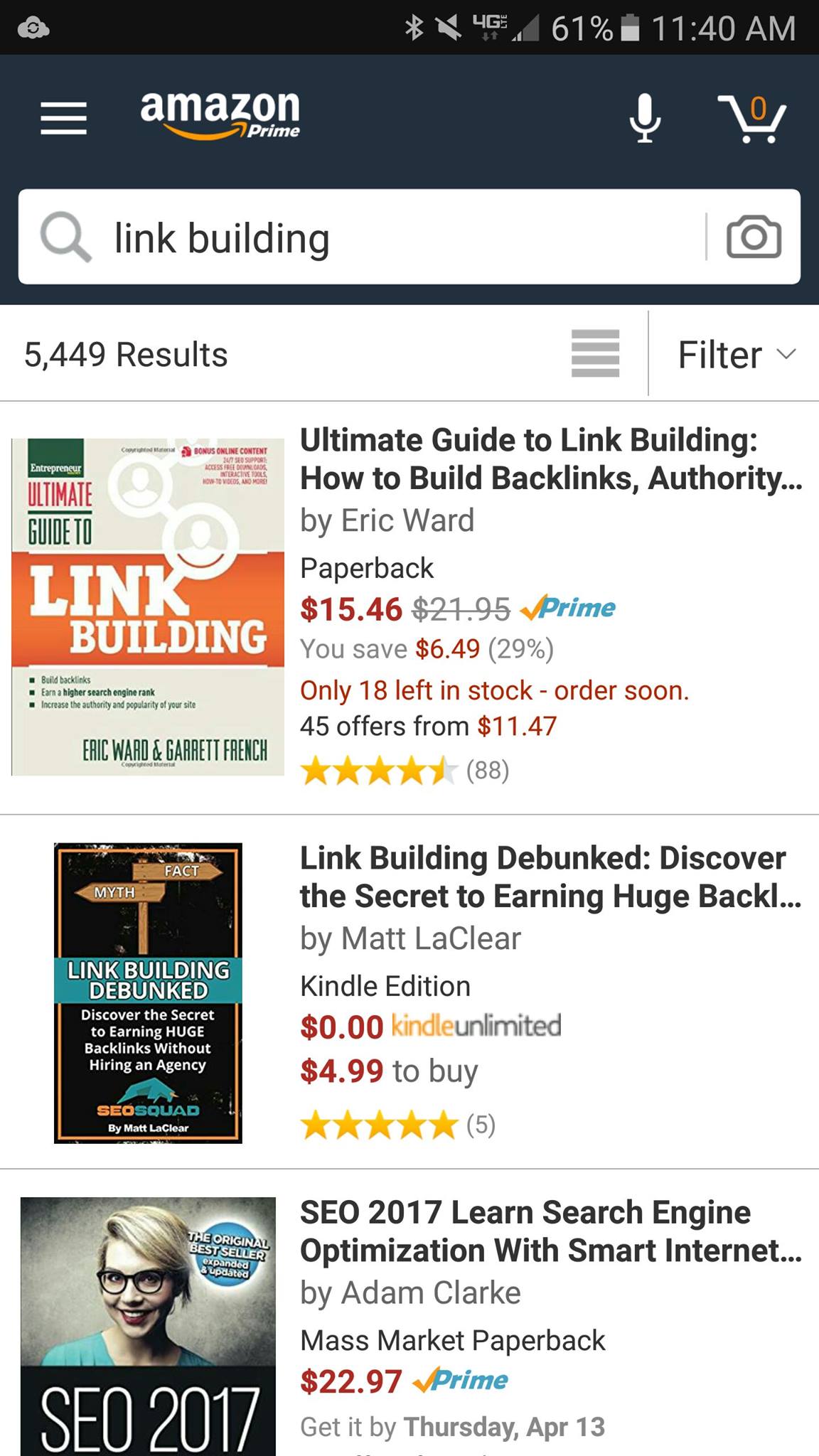
Screenshot showing the first edition of Matt LaClear's book ranking #2 in Amazon results for link building.

Marketplace credibility

Before it was republished as Authority First, Matt LaClear's original book ranked #2 on Amazon for “link building.” It is a useful public credibility signal to review alongside the portfolio, case studies, and guarantee terms.

Your project team

Four roles, one accountable lead

Every project is staffed with the same four disciplines. Strategy and client communication have a clear owner, and the rest of the team executes under the same scope and timeline commitments.

Strategist

Positioning, conversion paths, scope decisions, and client communication. Led by Matt.

Designer

Layout, visual hierarchy, responsive polish, and brand consistency across every breakpoint.

Developer

Clean, semantic markup, Core Web Vitals tuning, structured data, and code you fully own.

QA

Cross-browser testing, accessibility checks, mobile validation, and pre-launch regression sweeps.

Proof

A few proof checkpoints buyers usually want before approving budget

The portfolio is still the deeper proof library, but serious buyers should not have to click away just to confirm that the work can handle different business shapes, trust expectations, and conversion paths.

If you want the shorter write-up version first, start with the web design case studies hub and then compare the live builds against the broader portfolio.

Browse full portfolio →

B2B / complex offers

Referral Authority

Useful if your homepage needs to organize pricing, guarantees, proof, and process without turning into a wall of explanation.

  • Strong reference for trust-stack ordering
  • Shows how a more sophisticated buyer journey can still feel direct
Visit live site →

Local service trust

EOFM

Useful if the current site feels too generic, too thin on reassurance, or too messy when multiple services need to live together cleanly.

  • Contractor-style reference for calmer, more credible positioning
  • Good benchmark for service clarity without aggressive copy
Read the case study →

Local launch + Maps support

Holt Assembly

Useful when the problem is bigger than aesthetics because there is little or no usable web presence supporting local discovery, visitor confidence, or first-step clarity.

  • Strong reference for launch-from-zero projects that need local trust and visibility fast
  • Good benchmark for directions, service info, and first-visit UX that support Google Maps behavior
Read the case study →

Ecommerce / brand extension

Rassel-Daigneault Supplement Shop

Useful if you are layering products onto an existing service or healthcare-adjacent brand and need commerce to feel aligned instead of bolted on.

  • Shows trust-first presentation in a product-selling environment
  • Helpful reference for desktop + mobile commerce presentation
Visit live site →

SaaS / product launch

PureRank SEO

Useful when a homepage needs to explain a more complex software product, stage multiple pricing tiers clearly, and make the premium layer feel strategically stronger instead of merely bigger.

  • Strong reference for product clarity, tiered pricing, and premium differentiation
  • Shows how compare pages, trust content, and support depth can reduce buyer uncertainty
Read the case study →

SaaS / operational workflow

LinkCheck

Useful when the bigger challenge is explaining a workflow-heavy product clearly enough that buyers can understand the job, the plan ladder, and the next action without a second screen full of jargon.

  • Strong reference for signal-first product messaging and operator-focused trust
  • Shows how a Free / Team / Portfolio ladder can feel deliberate instead of upsell-heavy
Read the case study →

Pricing

Transparent, Fixed-Price Web Design

Choose the level of build support that matches the complexity of your business, content, and launch goals. Every package is fixed-price, clearly scoped, and designed to avoid vague revision chaos.

Starter

$750

+ $70/mo maintenance

A concise launch for a focused offer, early-stage business, or tightly scoped service presence.

Best fit: You need a clean first version live quickly, without pretending it is a full growth system.

  • ✓ 1–3 custom pages
  • ✓ Mobile-responsive design
  • ✓ Contact form integration
  • ✓ Basic on-page SEO setup
  • ✓ SSL & Google Analytics
  • ✓ 1 revision round
  • ✓ Hosting, security & backups

Not ideal if you need heavy copy support, complex integrations, or a multi-page trust architecture from day one.

Core Business

$2,450

+ $125/mo maintenance

A professional service site for small businesses that need stronger positioning, clearer structure, and cleaner lead capture.

Best fit: Your current site exists, but it is underselling the business or making contact harder than it should be.

  • ✓ 5–10 custom pages
  • ✓ CMS (WordPress or custom)
  • ✓ On-page SEO & speed optimization
  • ✓ Contact & lead capture forms
  • ✓ Google Business Profile setup
  • ✓ 2 revision rounds
  • ✓ 30-day post-launch support

Not ideal if the project includes major migrations, ecommerce, or custom functional complexity beyond standard service-site needs.

Market Leader

$10,500

+ $245/mo maintenance

A broader rollout for established brands, ecommerce, or multi-location operations with more complexity to organize well.

Best fit: The business has enough complexity that architecture, integrations, and rollout control matter as much as appearance.

  • ✓ Everything in Growth Engine
  • ✓ E-commerce integration
  • ✓ Custom functionality & API work
  • ✓ Advanced performance tuning
  • ✓ Authority content pipeline
  • ✓ Quarterly strategy reviews
  • ✓ Priority support
  • ✓ Unlimited revisions during build

Usually the right direction when multiple stakeholders, ecommerce, advanced integrations, or multi-location scope need tighter coordination.

All projects are fixed-price, maintenance is clearly defined, and custom scoping is available when a standard package is not the right fit. Book Free Consultation for a recommendation.

Support + maintenance

What is included at launch vs. what continues after launch

Included during the project

  • Design, build, responsive QA, forms, analytics setup, and the revision rounds listed in your tier
  • Launch support for bug fixes and minor copy or layout adjustments during the included support window

Handled through maintenance or separate scope

  • Ongoing hosting, backups, security monitoring, and routine upkeep after the launch window ends
  • New pages, major copy batches, migrations, advanced integrations, and feature expansion beyond the agreed scope

Fit guidance

A more professional scoping conversation starts by ruling out bad fits

  • This is probably not the right fit if you need unlimited new functionality with no scope controls
  • It is also not ideal if the main goal is "just make it look nicer" without clarifying the buyer journey or offer structure
  • The best fit is a business that wants a clearer message, stronger trust signals, and a cleaner path from visit to inquiry

Deliverables explained

What the pricing shorthand actually means in practice

Pricing cards use industry shorthand. Here is what each line item translates to in your project.

CRO & UX design strategy

We audit how visitors move through the current site, identify where they hesitate or leave, and restructure page flow to reduce friction between arrival and inquiry.

Schema & structured data

Machine-readable markup that helps search engines understand your business, services, FAQs, and location — improving how your listing appears in results and AI answers.

Custom copywriting

Service descriptions, headlines, and page narratives written to match how your buyers actually search and evaluate — not filler text swapped into a template.

On-page SEO & speed optimization

Title tags, meta descriptions, heading hierarchy, image compression, lazy loading, and Core Web Vitals tuning — built into the project, not bolted on after launch.

Blog / content hub setup

A publishing structure that lets you add articles, guides, or updates without breaking layout or SEO — so the site grows with the business instead of staying frozen.

Analytics dashboard & A/B testing

Google Analytics configured with goals and events that track real conversions — plus the groundwork for split-testing headlines, layouts, or CTAs when you are ready.

Implementation

Implementation timeline

The sequence stays consistent: clarify the message, map conversion paths, build cleanly, and launch with support.

Week 1: Discovery + positioning

Audit the current site, offer, and buyer journey so the messaging strategy is clear before design starts.

Week 2: Wireframe + content direction

Set page hierarchy, section order, trust signals, and CTAs so the build has a job beyond looking better.

Weeks 3–4: Build + revisions

Design, development, forms, analytics, and performance work move through the documented review cycle.

Launch + support

Go live with the agreed support window, bug fixes, and launch protections already defined.

Project guardrails

What keeps the project professional instead of drifting into revision chaos

A cleaner web-design process is not just about nicer visuals. It is also about keeping inputs, review timing, and scope decisions explicit enough that the project stays calm from kickoff through launch.

Inputs we need from you

Core offer details, service priorities, approvals, and any existing brand or technical constraints that would change scope early.

Review cadence

Feedback is gathered in defined review windows so revisions stay organized instead of being scattered across ad hoc messages and late surprises.

Timeline dependencies

Launch timing depends on content readiness, approvals, and any third-party access or integration handoffs that sit outside build execution.

Change requests

If the project grows beyond the agreed package, new work is scoped deliberately rather than being quietly absorbed until budget and timing stop making sense.

Scope

What is included vs. separately scoped

Included in the project

  • Design, responsive build, forms, analytics, and the revision rounds listed in your tier
  • Performance work, SEO-ready structure, and launch support tied to package terms
  • Ownership of the domain, code, and final site assets

Usually separate scope items

  • Large copywriting batches, complex migrations, or custom integrations beyond the quoted package
  • Ecommerce, advanced API work, or special functionality unless it is included in scope
  • Ongoing marketing execution after launch unless paired with SEO + GEO

Portfolio

Review the live work before you decide

Use the portfolio to review public launches, inspect desktop and mobile presentation, and judge fit before approving budget.

Public launches Real sites you can actually inspect No filler gallery theater. Just public work with enough context to judge credibility and fit.
Buyer-fit guidance Examples matched to business type Contractor, B2B, and ecommerce references help teams compare the structure closest to their situation.
Desktop + mobile Presentation quality shown across screens Useful if stakeholders want to review polish, clarity, and trust signals before the call.

Comparison

How this process compares before you sign anything

These are the questions serious buyers should be able to answer about any web-design partner before approving scope, budget, and launch risk.

What to clarify Matt LaClear Typical Agency
Who leads strategy & positioning decisions Senior strategist on every project Varies — often junior or templated
Pricing model Fixed-price, published tiers Hourly or “custom quote” only
Code & domain ownership 100% yours at handoff Often locked to platform or vendor
Core Web Vitals at launch Performance guarantee Checked post-launch, if at all
On-time delivery Guaranteed — 10% credit if missed Best-effort, no remedy
Revision structure Defined rounds & review windows Unlimited (until budget runs out)
Post-launch support Up to 60-day window, documented scope Vague or billable immediately
Platform lock-in None — take your site anywhere Proprietary builder or hosting dependency

Not every agency falls into the “typical” column — the point is knowing which questions to ask before you sign. Book a free consultation to walk through any of these.

Objections

Concerns we hear before almost every project

If any of these sound familiar, you are not alone. Most buyers bring the same worries into a redesign conversation — and most of them trace back to fixable process gaps.

“Our last redesign dragged on for months and still didn’t feel right.”

We hear that a lot — and it is usually because scope was never defined clearly. Here, fixed packages, documented revision rounds, and an on-time launch guarantee with a 10% credit make the timeline expectation explicit before work starts.

“We got burned by a shop that disappeared after launch.”

That is one of the most common frustrations we hear. Every project includes a documented post-launch support window covering bug fixes and minor adjustments — 30 days on Core Business, 60 days on Growth Engine and Market Leader. Explicit, not a vague promise.

“We are worried the new site will break what already works.”

That is a fair concern. The build is additive, not destructive. Your domain, existing content assets, and any SEO equity carry over. Nothing gets thrown away without a deliberate decision.

“We just need it to look better — is this overkill?”

Better visuals help, but the bigger win is clearer positioning, stronger calls to action, and an easier path from visitor to inquiry. If all you want is a coat of paint, we will tell you honestly during the consultation.

“What happens after launch when we need marketing help?”

The site is built to be a growth foundation, not a dead-end project. When you are ready, the handoff to SEO + GEO is seamless because the technical and structural groundwork is already in place.

“We do not even know what we need yet.”

That is exactly what the free consultation is for. Bring your current site, explain the gap you want the new one to close, and we will map the smartest next step together — no commitment required.

Next Step

Choose your next step

This is the handoff point for buyers who already know whether they need proof, pricing clarity, or a scoped conversation first.

Project-fit shortcut

If you already know your situation, start from the closest path below

This is the lower-friction version of the consultation: pick the scenario closest to your project and use that as the starting point for scope, timing, and fit.

Path 1

We need a cleaner version of what already works

Best if the business is solid, but the current site looks thin, dated, or less credible than the actual company.

  • Typical timeline: 4–6 weeks from kickoff to launch
Ask about a Core Business fit →
Most common

Path 2

We need the site to improve conversion quality too

Best if the bigger problem is not only appearance, but also trust, messaging, lead flow, and how the site supports sales conversations.

  • Includes CRO strategy, custom copy, and conversion tracking
Ask about a Growth Engine fit →

Path 3

We have complexity and need custom scoping first

Best if ecommerce, multiple stakeholders, advanced functionality, or migration dependencies make a standard package the wrong starting point.

  • Starts with a scoping call before any proposal is written
Ask for custom scoping →

Before the first call

What to bring if you want the consultation to be genuinely useful

The fastest strategy conversations usually start with a little context. You do not need a giant brief—just enough to make scope, fit, and next steps easier to judge.

1

Your current site or closest reference

Bring the current website, the page that feels weakest, or an example of the kind of presentation you want to move toward.

2

The main gap you want the new site to close

That could be trust, lead quality, service clarity, outdated presentation, weaker mobile experience, or a harder-to-manage content structure.

3

Anything that cannot break

Examples: CMS preferences, forms, integrations, ecommerce needs, internal approvals, or launch timing dependencies that affect what the right scope should be.

After you book

What happens in the first five business days

Knowing exactly what comes next makes booking feel lower-risk. Here is the sequence from confirmation to scope proposal.

  1. 1

    Confirmation email

    Same day. Includes calendar invite, call link, and a short prep guide so you know what to have ready.

  2. 2

    Prep document

    A lightweight questionnaire covering current site, goals, constraints, and any hard dependencies — takes about 10 minutes.

  3. 3

    30-minute strategy call

    Matt walks through your situation, identifies the right tier or custom scope, and answers questions live. No pitch deck.

  4. 4

    Written recommendation

    Within 2 business days. Includes suggested tier, page list, feature notes, and anything flagged during the call.

  5. 5

    Scope proposal

    If it is a fit, the formal proposal documents timeline, deliverables, revision structure, and payment terms — before any work begins.

Guarantees

Three commitments documented before work starts

On-Time Launch

If we miss the agreed delivery date for reasons within our control, you receive a 10% project credit. Review terms

Core Web Vitals

The site launches meeting Google’s performance thresholds — not as a post-launch cleanup, but as a build standard.

Post-Launch Support

Bug fixes and minor adjustments are covered after go-live — 30 days on Core Business, 60 days on Growth Engine and Market Leader. Scope is documented so expectations stay clear.

FAQ

Frequently Asked Questions

Use the FAQ for the last bits of risk-reduction: timing, ownership, support, migrations, platform fit, and whether redesign should happen before SEO.

Next Step

Ready to move from brochure site to growth engine?

Pick your next step and we’ll get moving.